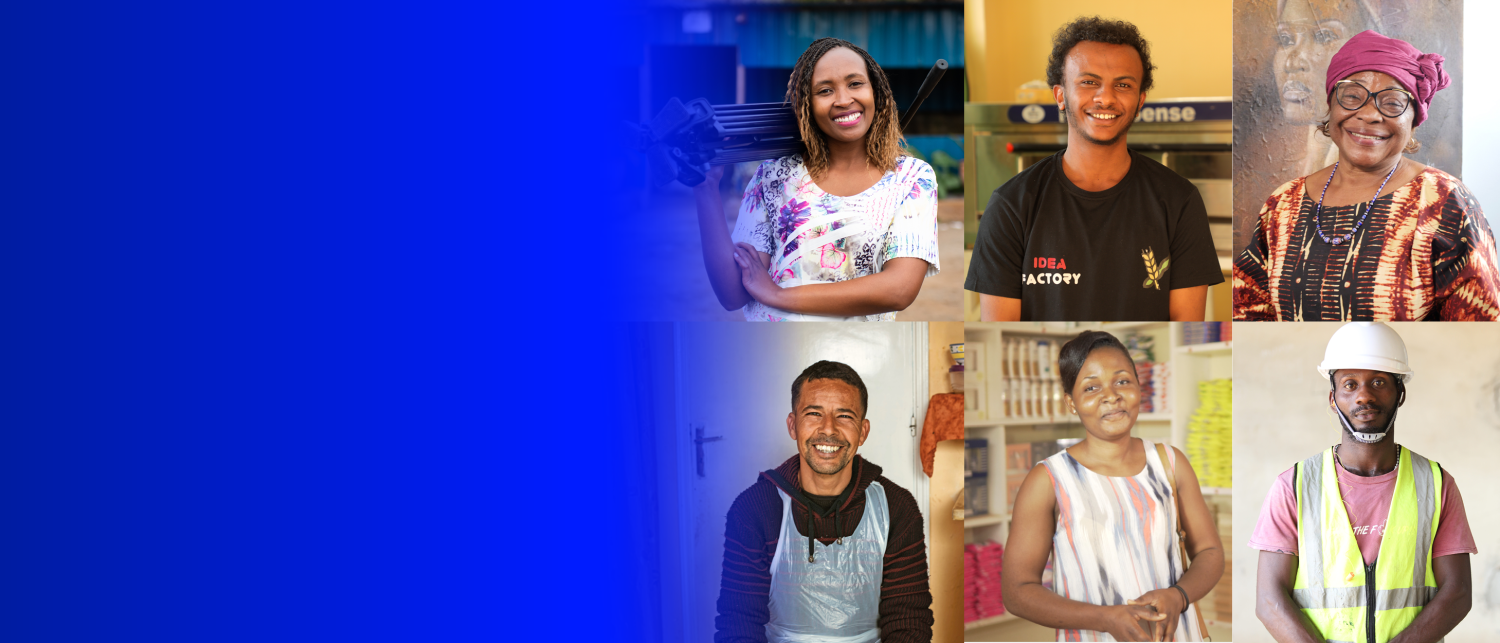
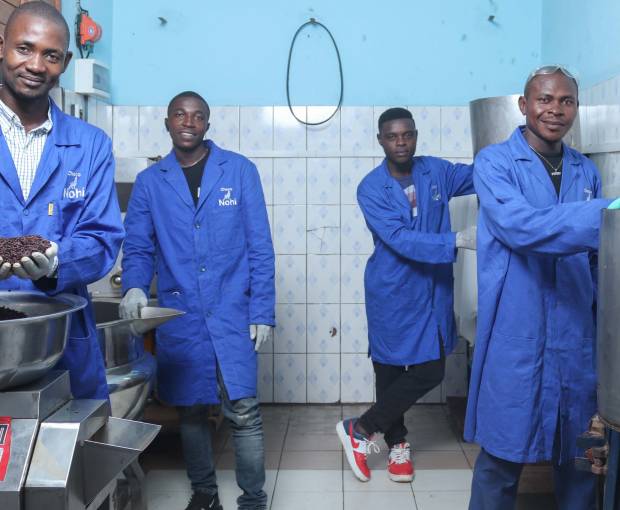
WIDU.africa supports job creation in Africa by redirecting remittances
from the African diaspora in Europe into micro and small businesses of
relatives or friends in participating African countries
WIDU.africa
provides funding and coaching to small businesses in participating African countries
Now open to the entire European Union!
Support your Friends and Family in Africa from any country in the European Union
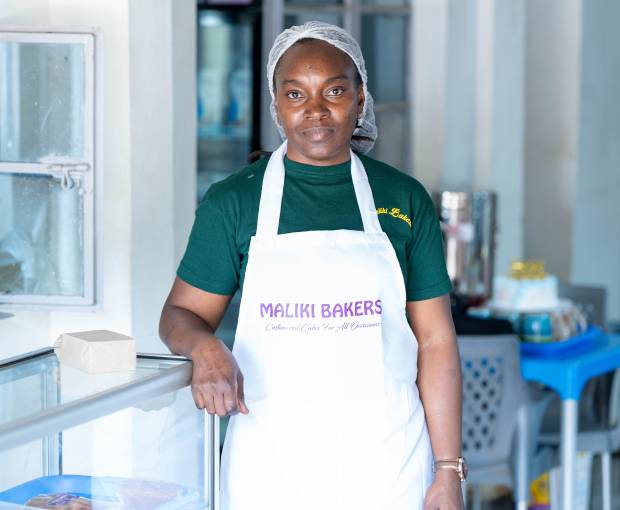
Lilian turned her passion for baking into a business, a thriving bakery that empowers others.
About WIDU
WIDU.africa is implemented by Deutsche Gesellschaft für internationale Zusammenarbeit (GIZ) GmbH on behalf of the German Federal Ministry for Economic Cooperation and Development (BMZ).
In collaboration with the African diaspora in Europe, WIDU applies an
innovative approach that combines financial support and coaching to
strengthen new and existing small businesses in Africa, which then leads
to the creation of new jobs.
We
do not ever ask diaspora donors or African entrepreneurs, nor their
relatives or friends, to pay for our services. WIDU funding and coaching
is and will always be provided for free.
Do not under any circumstances agree to give a share of your WIDU grant
to a broker or a middle-man. These brokers/middle-men are breaking the
law and will be sued by us.
Why African Family-Owned Businesses Need to Think About Structuring Now
Caoilfhionn Van Der Walt
Over the next few years, the world is set to witness the largest
inter-generational transfer of wealth in history. In Africa, this shift
brings with it unique challenges – and potentially significant tax costs
– for family-owned businesses. Yet, African families are often far less
prepared when it comes to structuring their wealth, leaving their
legacies vulnerable.
The African Wealth Transfer: A Perfect Storm
For many African families, wealth is concentrated in family-owned
businesses, often built over decades by pioneering founders. However,
when wealth is transferred from one generation to the next, it can
trigger a range of tax implications, from estate taxes to capital gains
taxes, which can erode the family fortune if not properly planned for. But tax is only part of the story. Africa brings its own set of challenges that further complicate wealth preservation:
Sovereign and Country Risk: Political instability and changing regulatory environments can put family assets at risk.
Forex Volatility: Many African currencies are notoriously unstable, making it difficult to preserve value over time.
Exchange Controls: Stringent rules around moving
money across borders can create significant hurdles for families looking
to diversify and protect their wealth.
These factors make it more critical for African families to
consider international structures where their wealth can be protected.
By structuring through jurisdictions with stable economies and hard
currencies, families can safeguard their assets from local risks while
optimising their tax positions.
Why Aren’t Families Acting?
So, if the risks are so clear, why aren’t more African families
putting structures in place? A big part of the problem is cultural. In
many African traditions, discussing the death of the patriarch is
considered taboo, leading to a lack of conversation around succession
planning. As a result, when the founder passes, families often find
themselves scrambling to untangle complex estates, resulting in
unnecessary tax bills, legal disputes, and, in some cases, the loss of
the family business altogether.
Moreover, the absence of proper documentation can leave assets
unaccounted for or inaccessible, creating further complications. Without
a clear plan, the very wealth that was meant to support future
generations can become a source of conflict and erosion.
A Call to Action: Structuring for the Future
The time to act is now. African families must start engaging in these
difficult conversations and put the right structures in place.
International structuring offers a means to protect wealth, ensuring
assets are held in stable jurisdictions, in hard currencies, and in a
tax-efficient manner.
At Regan van Rooy, we understand the complexities involved in wealth
structuring for African family-owned businesses. Our expertise lies in
crafting bespoke structures that mitigate local risks while safeguarding
family wealth for generations to come. We work closely with families to
navigate the intricacies of international tax laws, exchange controls,
and succession planning. In the face of the largest wealth transfer in
history, the question isn’t whether to structure – it’s whether you can
afford not to.
Get in touch if you’d like to start the conversation; we’re here to help.
Caoilfhionn Van Der Walt
Caoilfhionn (pronounced Keelan) van der Walt, a chartered
accountant, is based in Mauritius. Before founding Regan van Rooy, she
spent nine years as the head of the international tax function at South
African multinational, Sasol.